Batch Inbound Tracking
Assign unique batch identifiers to incoming shipments for granular visibility from the dock.
Stacket batches inbound stock automatically, so FIFO rotation happens without a manual spreadsheet.
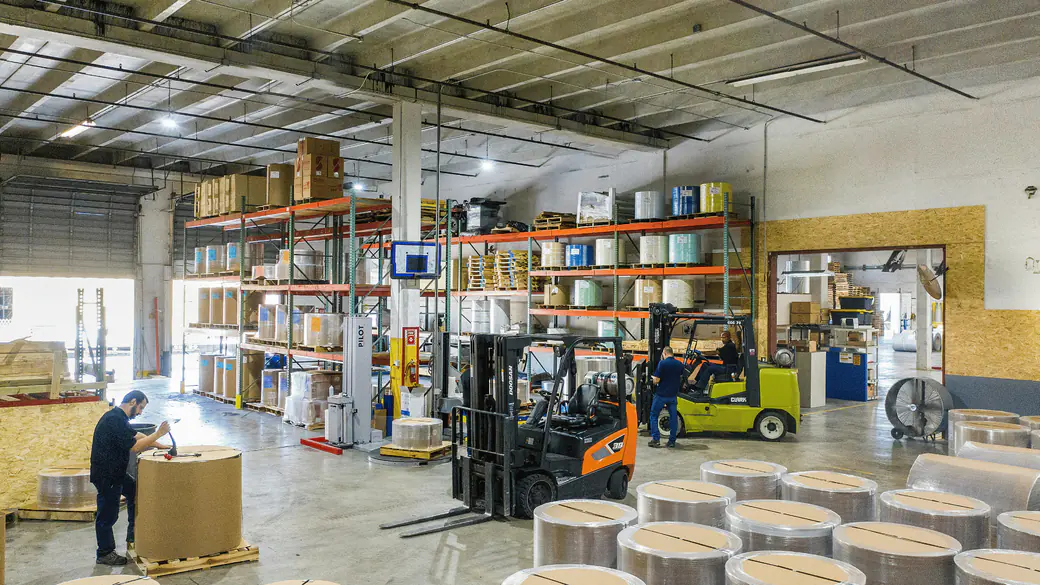
From inbound pallet to FIFO-ready shelf
Batching is only as reliable as the data behind it. Stacket keeps arrival dates, lot IDs, and rotation priority connected so FIFO compliance never depends on memory.
Batch Identification
Every inbound shipment gets a unique batch ID the moment it hits the dock.
FIFO Priority
Oldest batches surface first, automatically, at every pick.
Spoilage Risk
Expiry and lot data flag at-risk stock before it becomes a write-off.
Batch Visibility
See batch age and rotation status across the warehouse in real time.
Scan the manifest, assign a batch ID, direct putaway, and set FIFO priority as you ship the oldest stock first.
Batches scanned
0
Units received
0
Expiry flags
0
Inbound Manifest — BTCH-8850
Verify SKUs against the incoming shipment
The challenge
When inbound stock arrives in waves, tracking individual batches manually leads to mixed inventory and expired products. Stacket automates the identification and tracking of each batch so your oldest stock is always prioritized for shipment.


How it works
Stacket creates a clear path for every batch, so inventory moves through the warehouse with maximum efficiency and FIFO compliance from the moment it arrives.
Stock batching lets a warehouse track inbound waves as they arrive — for FIFO compliance, spoilage prevention, and clean audits.
Assign unique batch identifiers to incoming shipments for granular visibility from the dock.
Stacket automatically suggests the oldest batches for picking, so FIFO holds up without manual checks.
Prioritizing older stock cuts the risk of expiration and write-offs.
Rotation logic runs without manual intervention from the warehouse floor.
Give your team a real-time view of batch ages and inventory health across the warehouse.
Built for the whole batching workflow
Batching touches more than one desk. From the dock lead assigning batch IDs to the compliance lead watching expiry risk, every role relies on the same real-time rotation data.
Warehouse operations lead
Oversees daily batch assignment and slotting so FIFO actually holds up on the floor, not just on paper. Reprioritizes work the moment an older batch needs to move first.
Receiving / dock lead
Assigns batch IDs and arrival dates the moment inbound stock hits the dock, so nothing gets logged from memory or a clipboard hours later.
Inventory control manager
Tracks batch age and rotation priority across the warehouse without manual spot checks, so counts stay trustworthy between cycle counts.
Quality / compliance lead
Relies on expiry and lot tracking to catch spoilage risk before it becomes a write-off, instead of finding it during a routine walk-through.
3PL account manager
Gives clients confidence that FIFO commitments are actually being met, with batch-level data to back it up instead of a verbal assurance.
Stacket gave us visibility we never had before. Billing disputes dropped, reporting got faster, and our warehouse finally felt under control.
Stacket 3PL WMS has revolutionized how we manage our inventory. Real-time tracking and analytics gave us unparalleled control over our supply chain.
Since integrating Stacket, we've seen a 30% increase in order fulfillment speed and accuracy. Bin-level precision made inventory management a breeze.
Implementing Stacket was a strategic move that paid off beyond expectations. Faster, more accurate shipping has driven our growth ever since.
Answers about batch tracking, FIFO rotation, expiry, and spoilage prevention.
Stacket uses batch-level tracking to assign priority to older stock. When a picking task is created, the system automatically directs the picker to the oldest available batch.
Review your current workflow with our team and see how Stacket can support your inventory, fulfillment, returns, client visibility, and billing requirements.
Ready to transform?
See Stacket in action